The Cheapest Places to Buy a House in Japan in 2026 (Real Listing Prices)
Everyone has seen the headlines about $500 houses in Japan. The truth is more useful: entire regions of Japan sell solid family homes for $10,000–$30,000, while other regions never will. This guide maps where houses in Japan are genuinely cheapest in 2026, using real listing prices — including the ones on our own listings page — and explains the trade-offs of each area.
1. Akita City and Akita Prefecture — the cheapest real market in Japan
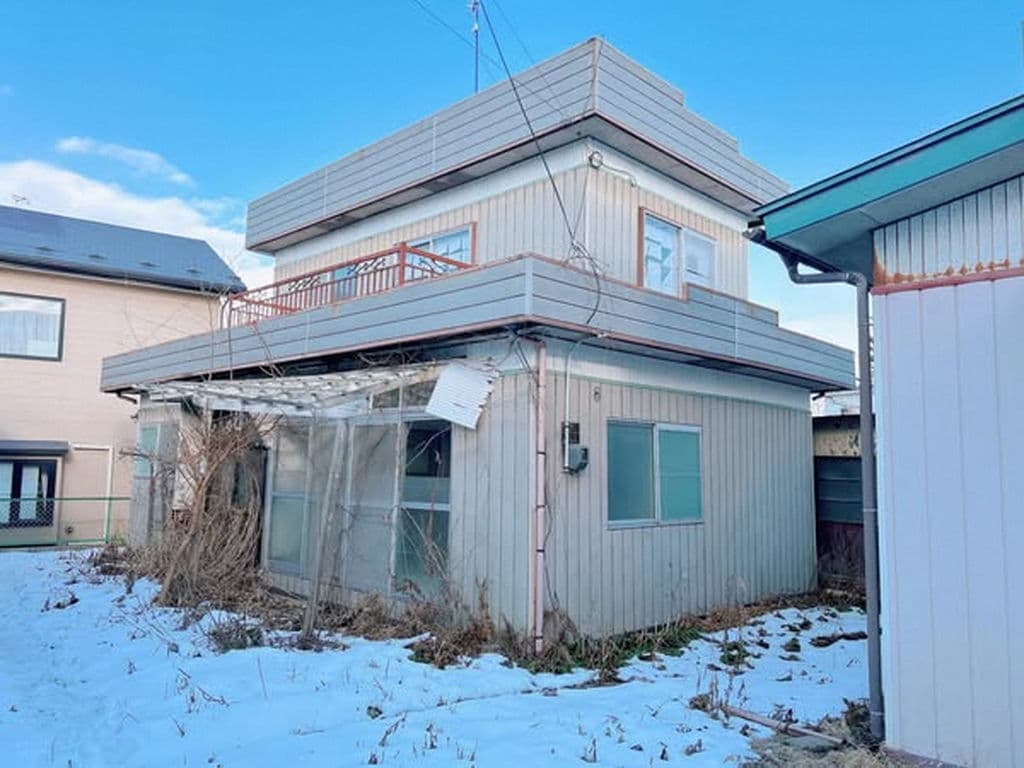
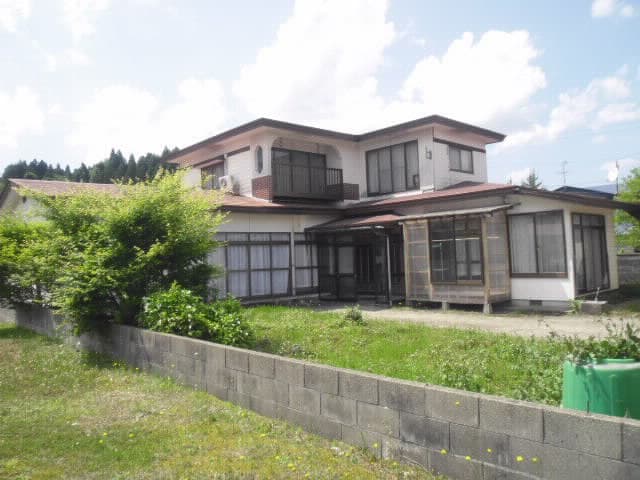
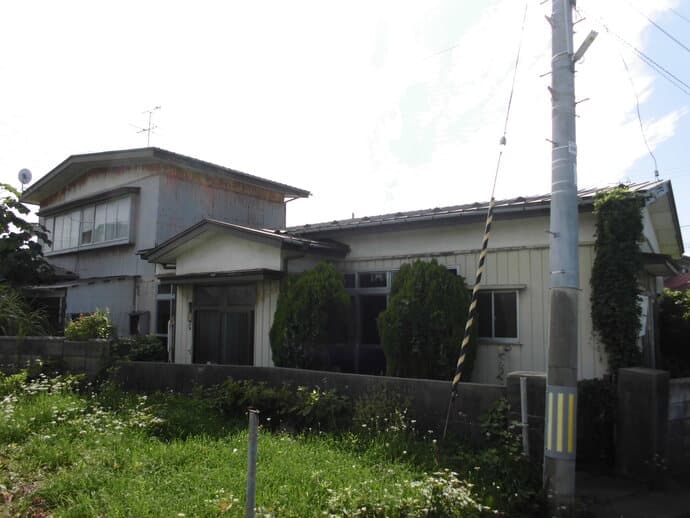
Akita, on the Sea of Japan coast of Tohoku, is consistently among the cheapest places in the country to buy a detached house. It is a real prefectural capital with a shinkansen link to Tokyo, an airport, universities and hospitals — not a ghost town — yet akiya banks list family homes from around ¥1.5 million. On our site right now: a 6DK two-story home near JR Tsuchizaki Station at ¥1,480,000 (about $9,900), and a 9DK house with a large garden at ¥2,500,000 (about $16,700).
The trade-offs are real: heavy snow in winter, a shrinking population, and limited English-language services. For investors, the same prices that make houses cheap also cap rents — buy for use or long-term value, not fantasy yields.
2. Hachinohe and coastal Aomori — port city prices, village costs
Hachinohe, Aomori's second city, is a working port with industry, a shinkansen station and some of Japan's best seafood — and houses that list like rural stock. Recent examples from our listings: a two-story 4DK home at ¥1,500,000 (about $10,000) and larger family homes under ¥3 million. Aomori winters are serious, but Hachinohe's east-coast position makes it milder than the prefecture's west side.
3. Rural Kyushu — Oita, Miyazaki and Kagoshima countryside
Kyushu's rural municipalities run active akiya banks with homes frequently listed between ¥1–5 million, in a much gentler climate than Tohoku. The catch is access: many of these towns are an hour or more from a city of any size, and car ownership is effectively mandatory. For remote workers who want warmth and space, the value is hard to beat.
4. Shikoku's interior and Pacific coast
Japan's smallest main island has some of its oldest demographics and cheapest houses — Kochi and rural Ehime and Tokushima list akiya from under ¥1 million. Expect mountain villages, typhoon-season weather on the Pacific side, and the slowest pace of life on this list.
5. Hokkaido's smaller cities
Outside Sapporo and the Niseko resort bubble (where prices are international, not cheap), Hokkaido's regional cities sell detached homes at regional-Japan prices, with big land plots as standard. Winters are long and heating costs real — budget for both. Snow management for an empty house is a genuine line item, not a detail.
6. The "near-Tokyo" budget options — cheaper, not cheap
If you need Tokyo access, manage expectations: there is no $10,000 house within commuting distance. What exists instead: older homes in rural Chiba (the Boso Peninsula), Ibaraki and Tochigi listing from around ¥3–8 million, and fixer-uppers in Saitama's outer towns. You trade the rock-bottom price for a train line — for many buyers that trade is worth it.
How to read these prices honestly
Three rules before you fall in love with any number on this page:
1. The purchase price is the smallest cost — closing costs add roughly 6–10%, and renovation can add more than the price itself; start with our step-by-step buying guide
2. Cheap regions are cheap because of demographics — great for lifestyle buyers, dangerous for anyone modelling Tokyo-style appreciation
3. Condition is everything — an inspected ¥2.5 million house beats a mystery ¥1 million house almost every time; an on-the-ground inspection is the cheapest insurance in Japanese real estate
Start looking
Every property mentioned here is the kind we track daily. Browse all current listings, see them on the map, or book a free consultation and tell us your budget — we will tell you honestly which regions fit it.