Akiya: Japan's Empty Houses Explained — Prices, Risks & How to Buy One
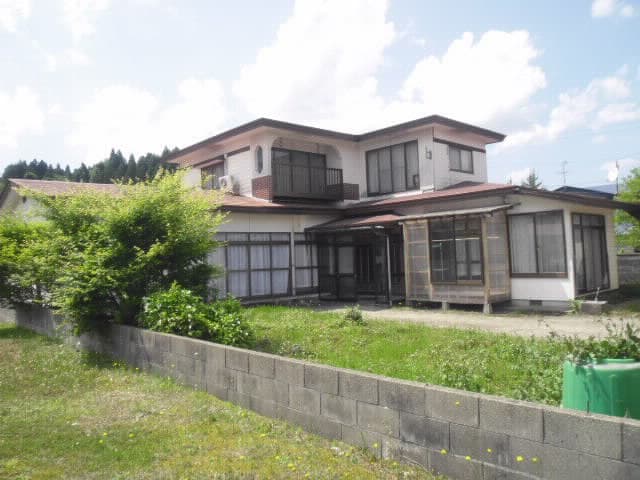
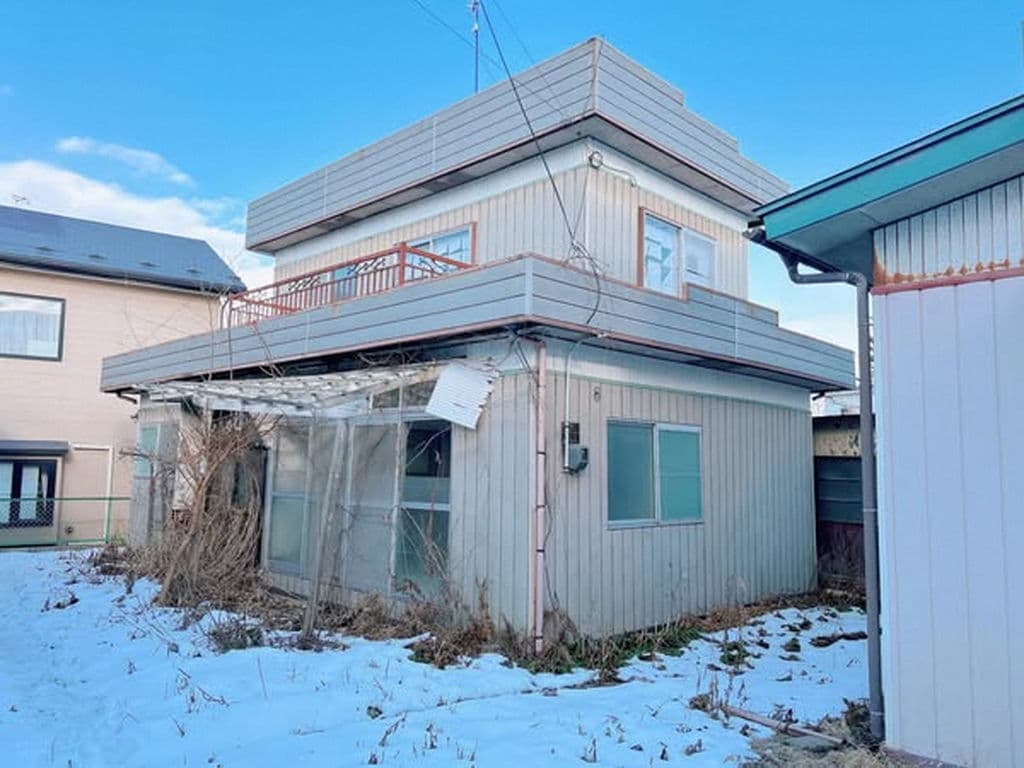
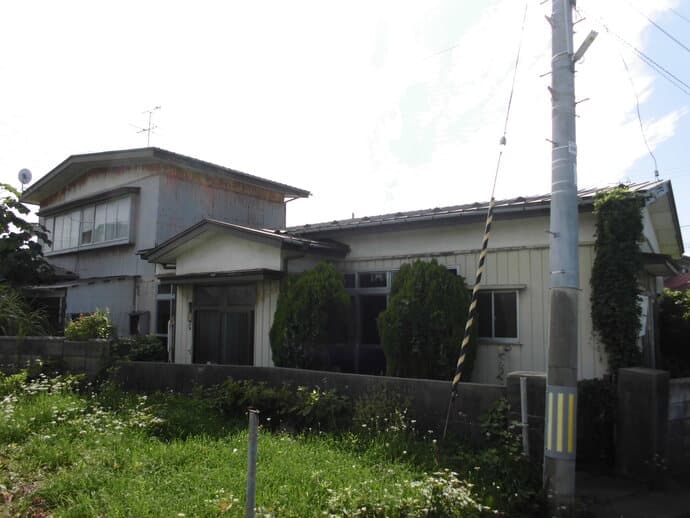
Japan has a housing paradox: a shrinking, ageing population and roughly 9 million vacant homes — about 14% of all houses in the country, according to the government's 2023 Housing and Land Survey. These empty houses are called akiya, and they are the reason headlines keep appearing about houses in Japan selling for the price of a used car.
This article explains what akiya actually are, why they get so cheap, what condition you should honestly expect, and how to buy one without falling into the traps that catch first-time foreign buyers.
What is an akiya?
Akiya simply means "vacant house." The previous owner may have died, moved into care, or relocated to a city, leaving a house nobody claims or maintains. Because inheritance is often declined — the house may come with tax obligations and demolition costs — akiya accumulate, especially in rural towns and regional cities.
Municipal governments run "akiya banks": public lists of vacant houses for sale (occasionally for rent), intended to match empty houses with new residents. Prices on akiya banks run from genuinely free (¥0 transfer schemes exist, with conditions) to a few million yen for solid family homes. Our listings draw heavily on akiya banks in Akita and Aomori, translated into English.
Why are akiya so cheap?
Four forces push prices down:
1. Demographics — towns with shrinking populations have more houses than buyers
2. Inheritance behaviour — heirs often refuse properties they would have to pay tax on and maintain
3. Building culture — Japan historically values new construction; older wooden homes depreciate to near zero in accounting terms within 20–30 years
4. Cost of ownership — demolition can cost ¥1–2 million, so a "negative value" house prices accordingly
The result: a structurally reasonable 4DK family home in a regional city can list at ¥1.5–3 million ($10,000–$20,000), while a similar house near Tokyo costs twenty times more. Region is everything — see our guide to the cheapest places to buy a house in Japan.
What condition should you expect?
Honestly? It varies from "move in after cleaning" to "standing ruin," and the listing price tells you which end you are at:
- Under ¥1 million — expect major work: roof damage, rot, no functioning bath or kitchen, sometimes no legal right to rebuild
- ¥1–3 million — typically liveable bones with dated interiors; budget for a new bathroom, kitchen refresh and weatherproofing
- ¥3–8 million — often genuinely move-in ready regional homes
Renovation in Japan is not cheap: a full bathroom unit replacement commonly runs ¥800,000–¥1.5 million, and a serious structural renovation can exceed the purchase price several times over. This is the single most common budgeting mistake foreign buyers make — we wrote a whole article on how akiya investing goes wrong.
The risks nobody puts in the listing
- Cannot rebuild (sai-kenchiku fuka) — if the land lacks proper road access, you may never legally rebuild; the house can only be renovated as-is
- Unregistered buildings and murky inheritance — some akiya have ownership tangles that take months to clear, or cannot be cleared at all
- Septic tanks, wells and shared water lines — rural infrastructure surprises are common
- Snow country costs — in regions like Tohoku and Hokkaido, an unmanaged roof can collapse under snow load; winter management is not optional
None of these are reasons to avoid akiya. They are reasons to verify before you buy — a professional pre-purchase inspection costs a fraction of what one hidden problem costs later.
How foreigners buy an akiya
The same process as any Japanese house purchase — ownership is open to foreigners with no visa requirement. We walk through it in detail in How to Buy a House in Japan as a Foreigner. The akiya-specific points: akiya bank purchases sometimes require you to work through the municipality's process and a local agent; some towns attach conditions (for example, intending to reside) to their cheapest schemes; and negotiation is normal — many akiya sit unsold for years.
Is an akiya right for you?
An akiya is a great fit if you want an affordable base in Japan, enjoy renovation, or are investing with realistic yields in regional cities. It is a poor fit if you need a guaranteed move-in date, cannot fund renovation, or need a property you can ignore for years at a time — empty houses in Japan's humid, snowy climate punish neglect.
If that still sounds like your kind of project, start with the current listings, read the free buying guide, and talk to us before you fall for a ¥500,000 house with a ¥5 million problem.